
Zion Eye Institute — Dry Eye
Dry Eye Treatment in St. George, UT
Find relief from dry, itchy, or irritated eyes with a personalized treatment plan, including in-office BlephEx therapy.
- Diagnosis of dry eye syndrome and blepharitis
- In-office BlephEx eyelid treatment
- Prescription and at-home treatment options
Know the Signs
Do I Have Dry Eye?
Dry eye has many symptoms, and some of them, like watery eyes, seem backwards. If any of these sound familiar, you may have dry eye.
You may have dry eye syndrome if you experience any of the following symptoms.
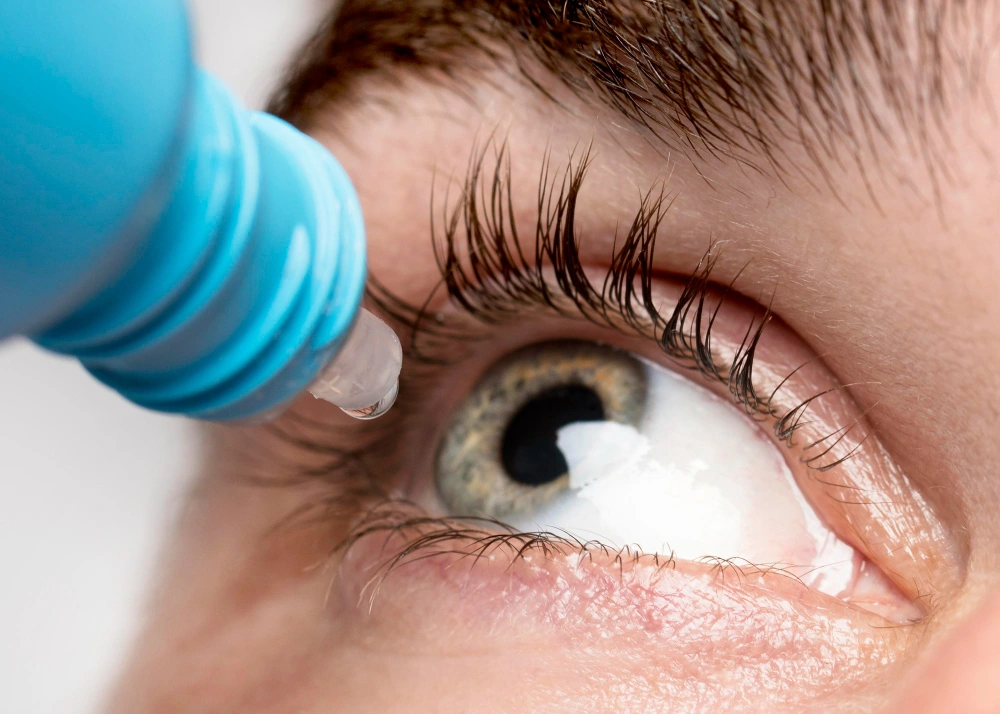
The Procedure
Dry Eye Treatment Options
A healthy tear film has three parts, oil, water, and mucus, and dry eye can develop when any of them is out of balance. Other symptoms can include eye fatigue, redness, stringy mucus around the eyes, blurry vision, and pain while wearing contacts.
Mild dryness often responds to simple steps at home, like warm compresses, over-the-counter artificial tears, and a humidifier in the rooms where you spend the most time. When home care isn’t enough, your eye doctor may prescribe anti-inflammatory drops, such as steroids, or antibiotics to control inflammation in the eyelids. For dry eye linked to blepharitis, which can cause red, itchy eyelids, BlephEx is an in-office treatment that removes bacterial biofilm from the eyelids with a medical-grade micro-sponge. It’s typically repeated every 4 to 6 months.
Warm Compress & Artificial Tears
Simple at-home steps that soothe irritation and add moisture
Prescription Eye Drops
Anti-inflammatory or antibiotic drops address underlying inflammation
BlephEx
An in-office procedure that removes bacterial biofilm from the eyelids in 6-8 minutes
Ongoing Maintenance
Repeat BlephEx treatments every 4-6 months help maintain results
Patient Reviews
Many dry eye symptoms respond to simple at-home care, but some cases need in-office treatment for lasting relief.
At-Home Remedies vs. In-Office Treatment
Choosing the right approach for your symptoms
At-Home Remedies
A good starting point for mild, occasional dryness
- Warm compresses can help break down crusts or residue along the eyes
- Over-the-counter artificial tears replace missing moisture
- A diet rich in omega-3 fatty acids may support tear production
In-Office Treatment (BlephEx)
For dry eye linked to blepharitis and eyelid inflammation
- Removes bacterial biofilm from the eyelid using a medical-grade micro-sponge
- A fresh micro-sponge is used on each eye, with numbing drops for comfort
- Recommended every 4-6 months, or as advised by your doctor
6-8 Minute In-Office Procedure
Treatment often starts with simple at-home steps before moving to in-office options if needed.
Finding Relief from Dry Eye
1
Symptom Evaluation
- Your doctor reviews your symptoms and examines your eyes
- Your doctor walks you through what the findings mean and answers any questions you have
2
At-Home Care
- Warm compresses, artificial tears, and keeping air from blowing at your eyes are often tried first
- You'll leave with clear instructions on what to expect next and how to prepare
3
In-Office Treatment (If Needed)
- BlephEx or prescription drops may be recommended for more persistent symptoms
- Prescription drops or BlephEx may be recommended when home remedies aren’t enough
4
Ongoing Management
- Follow-up visits every 4-6 months help maintain relief for chronic cases
- BlephEx is repeated every 4 to 6 months, or as your eye doctor recommends
What to Expect
Expected Dry Eye Outcomes & Recovery
Most patients find meaningful relief through a combination of at-home care and, when needed, in-office treatment.
What Patients Can Expect in the First 30 Days
- Avoid pointing air vents, fans, or heaters directly at your eyes
- Aim for at least eight glasses of water a day to support hydration
- Add omega-3-rich foods like salmon, walnuts, or flaxseed to your diet
- See your doctor if home remedies aren't providing enough relief
Informed Care
Safety & Risk Considerations
Safety Profile
- BlephEx is a quick, well-tolerated in-office procedure using a fresh micro-sponge for each eye
- Treatment is layered, starting with the least invasive options first
Possible Side Effects
- BlephEx may feel like a mild tickling sensation during the procedure
- Prescription anti-inflammatory drops can cause temporary stinging or irritation
- Some patients experience temporary light sensitivity after treatment
How We Minimize Risk
Practice Good Eyelid Hygiene
Keeping eyelids clean helps prevent the inflammation that leads to blepharitis
Follow Your Treatment Schedule
Using prescribed drops consistently and keeping BlephEx appointments supports lasting relief
Stay Consistent with Maintenance Treatment
Keeping up with BlephEx or prescribed drops on schedule helps sustain relief
Why Zion Eye Institute
Why Choose Zion Eye Institute
Comprehensive, expert eye care for patients across Southern Utah and the surrounding region
Fellowship-Trained Specialists
Our team includes Southern Utah's only fellowship-trained specialists in several subspecialties
Four Convenient Locations
Offices in St. George, Cedar City, Santa Clara and Mesquite
Advanced Technology
We invest in the latest diagnostic and surgical technology available in the region
Find Us
Dry Eye Treatment in St. George, Santa Clara, Mesquite & Cedar City
Visit us at any of our four Southern Utah and Nevada offices.
Coverage & Financing
Cost & Insurance
We work with your insurance and offer financing to make dry eye care accessible.
Insurance
Many of our services are covered by medical insurance.
- Bring your medical insurance card and photo ID to your visit
- Our staff can help verify your coverage before your appointment
- Vision correction procedures such as LASIK are generally not covered by insurance
Financing Options
We offer flexible payment options for procedures not commonly covered by insurance.
- CareCredit, North America's leading patient payment program, lets you begin treatment now and pay over time with low monthly payments
- We can tailor a personalized payment schedule to help make your procedure affordable
- Pay your bill online through our secure ModMed patient portal
Flexible financing available. We work with CareCredit to offer low- and no-interest payment plans for care not covered by insurance. Ask about your options at your consultation.
locationsCommon Questions
Frequently Asked Questions
What causes dry eye syndrome?
Dry eye can result from decreased tear production, which becomes more common with aging and menopause, as well as from certain medications, autoimmune diseases, low dietary intake of vitamin A and omega-3s, or prolonged contact lens wear.
What is BlephEx?
BlephEx is an in-office treatment that uses a medical-grade micro-sponge to remove bacterial biofilm from the eyelids. It’s especially effective for patients with blepharitis, a common cause of dry eye linked to inadequate eyelid hygiene, and takes only about 6 to 8 minutes to perform.
How often do I need BlephEx treatment?
Most patients benefit from BlephEx treatments every 4 to 6 months, or as recommended by their eye doctor, for the best ongoing results.
What should I bring to my appointment?
Please bring a photo ID and your medical insurance card. If you wear contact lenses, bring your glasses as well.
Do you offer financing?
Yes. We offer the CareCredit card for procedures not commonly covered by insurance, such as LASIK and premium lens implants, along with personalized payment schedules.
Ready When You Are
Schedule Your Free Consultation
Consultations are available at all four locations; online scheduling takes less than two minutes.
Request Appointment