ST. GEORGE, SANTA CLARA, CEDAR CITY & MESQUITE
Expert Eye Care.
Lifelong Vision.
Zion Eye Institute has served patients throughout Southern Utah and the surrounding region since 1979, with fellowship-trained specialists in cataract surgery, LASIK, and glaucoma care.
Our Practice
COMPREHENSIVE EYE CARE & CATARACT SURGERY IN SOUTHERN UTAH
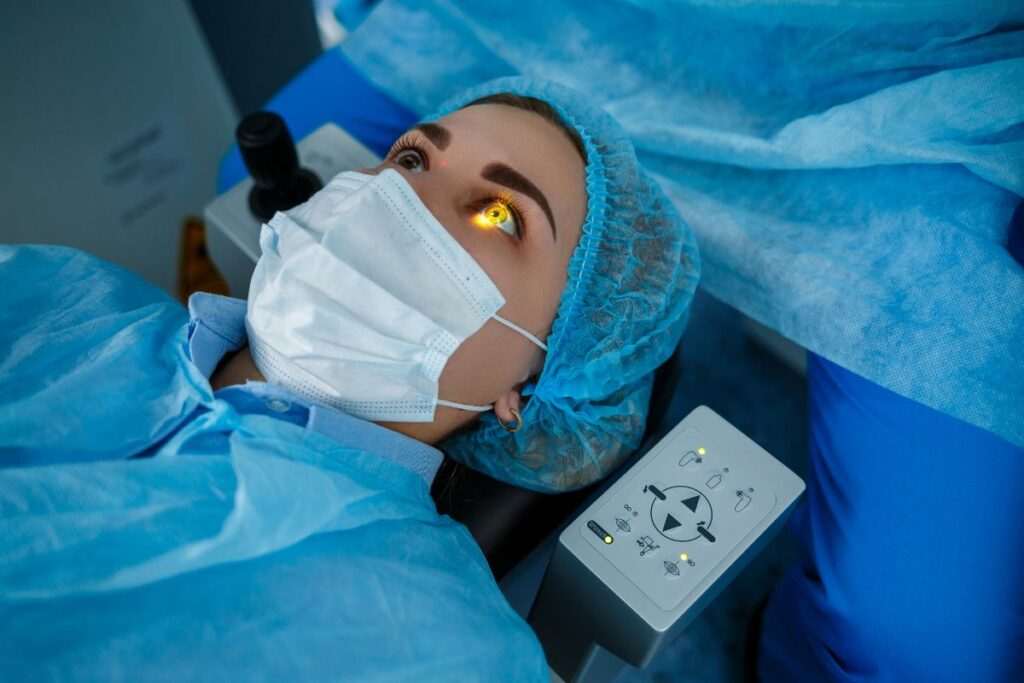
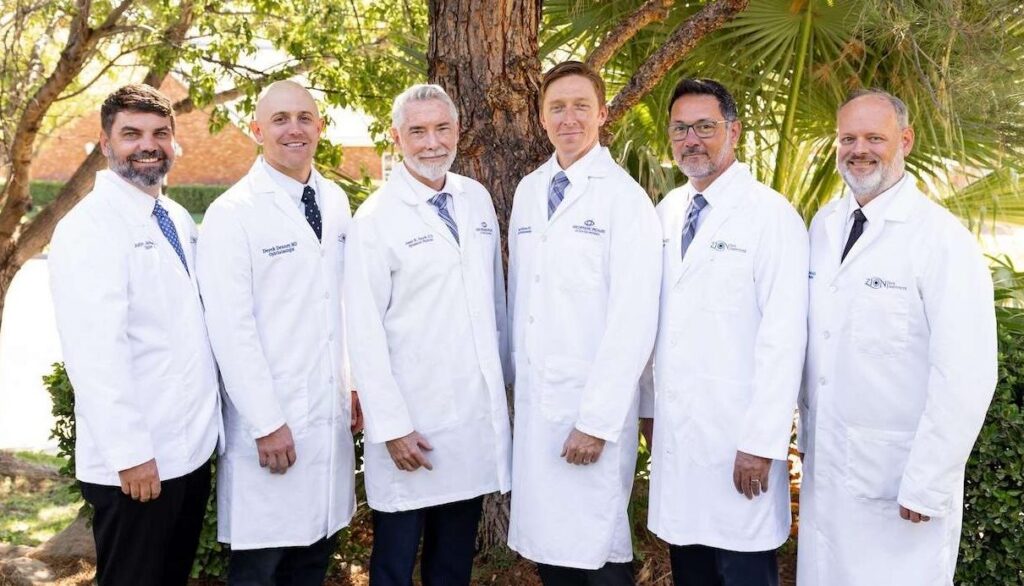
Zion Eye Institute is a full-service ophthalmology practice with locations in St. George, Santa Clara, Cedar City, and Mesquite. Founded in 1979, the practice has grown into Southern Utah’s largest and most comprehensive eye surgery center, performing thousands of procedures each year. Our fellowship-trained surgeons treat cataracts, glaucoma, corneal disease, and pediatric eye conditions, and our in-house surgical suite means most procedures happen under one roof rather than sending patients elsewhere.
What We Treat
Our Services
From advanced surgical procedures to routine eye care, our team covers the full spectrum of vision health.
Cataract Surgery
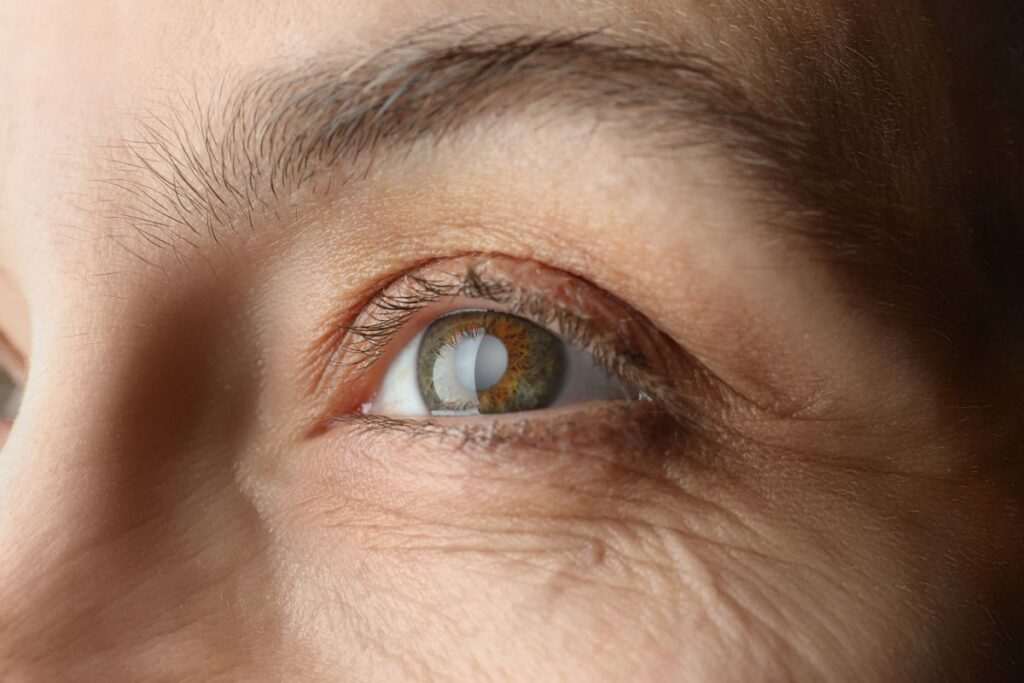
A cataract is a clouding of the natural lens inside the eye that occurs mainly with aging. Cataract surgery removes the cloudy lens and replaces it with a clear implant lens.
General Eye Care
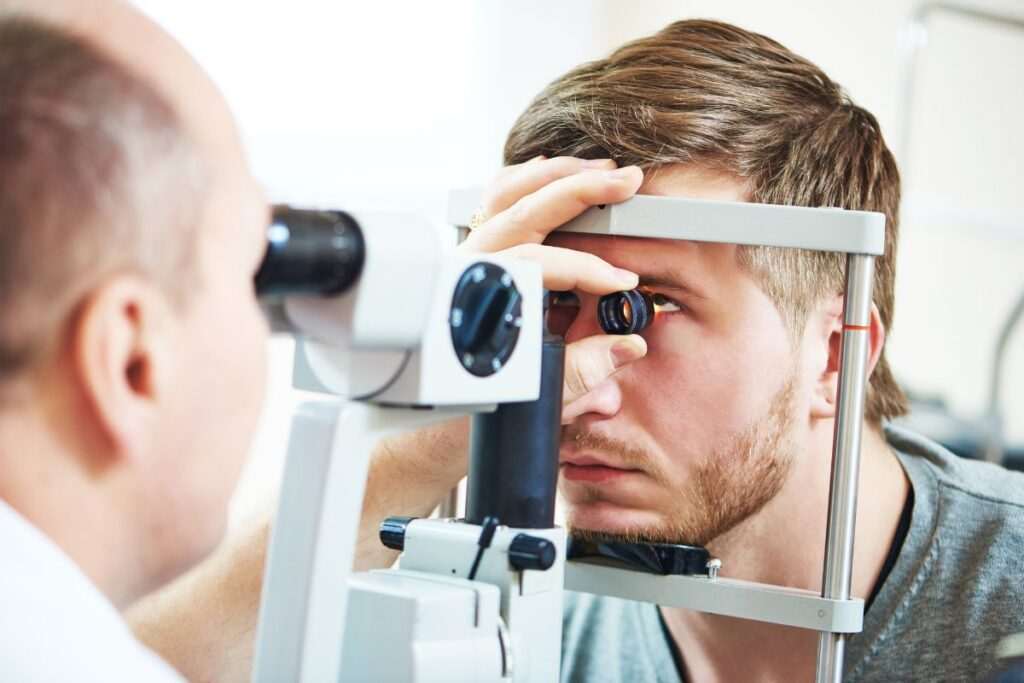
Regular eye exams are the best way to maintain healthy vision and catch problems early, before they affect your eyesight.
LASIK
LASIK is the most common type of laser vision correction, reshaping the cornea to correct near-sightedness, far-sightedness, and astigmatism.
Glaucoma
Glaucoma is a common eye disease involving deterioration of the optic nerve. It can cause peripheral vision loss, and eventually total vision loss, if left untreated.
Pediatric Eye Care
Children can suffer from all forms of eye disease, including congenital cataracts, glaucoma, and strabismus. If vision doesn't develop properly by age 8 to 10, a child may have permanent vision loss known as amblyopia.
Pterygium
A pterygium is a small growth on the white part of the eye that extends onto the cornea. These growths are benign and slow-growing, but can be surgically removed if they cause chronic irritation or affect vision.
Corneal Surgery
The cornea is the clear dome covering the front of the eye, responsible for most of its focusing power. Disease, infection, or injury affecting its clarity can cause vision loss if not treated properly.
Dry Eye
Dry eye syndrome occurs when there isn't enough moisture and lubrication in your eyes, affecting millions of people in the United States.
Not sure where to start?
Use symptom checkerWhat patients are saying
Read more patient reviewsFind Your Answer
What Are You Experiencing?
Pick what you're noticing, and we'll point you toward the likely cause and the right specialist.
Blurred Vision
When things lose their sharpness and fine detail gets hard to make out, the cause is often one of three things: a cataract clouding the lens, a refractive error that’s gone uncorrected, or, less commonly, disease affecting the cornea. A comprehensive exam is usually the fastest way to sort out which one you’re dealing with.
Dry Eyes
Stinging, grittiness, or eyes that feel tired by mid-afternoon usually trace back to a tear film that isn’t doing its job, either too little volume or poor quality. It’s common, it’s manageable, and it rarely needs to be lived with.
Eyelid Issues
Drooping lids, styes, crusting, or lids that turn inward or outward can be cosmetic, uncomfortable, or occasionally a sign of something that needs surgical correction. Eyelid problems that affect your field of vision are worth having looked at rather than waiting out.
Night Driving Problems
If headlights suddenly seem harsher or the road looks less defined after dark, an early cataract or an outdated glasses prescription is the usual suspect. It’s one of the earliest signs people notice before daytime vision changes much at all.
Halos
Rings of light around headlights or streetlamps at night often point to a cataract scattering light as it passes through the lens, though certain corneal conditions can cause the same effect. Worth mentioning at your next exam even if it’s mild.
Astigmatism
An irregularly shaped cornea or lens bends light unevenly, which is what makes vision look stretched, doubled, or blurred at every distance rather than just up close or far away. Glasses, contacts, and LASIK can all correct it, depending on how you’d rather manage it.
Distance Vision Problems
Trouble making out road signs, whiteboards, or faces across a room usually means nearsightedness, though it can also come from a developing cataract in adults who never needed correction before. Either way, it’s a straightforward fix once we know which one it is.
Trouble Reading
If print seems to need to be held farther away than it used to, that’s presbyopia, the normal age-related stiffening of the eye’s lens, and it catches up with almost everyone eventually. There are more ways to manage it now than just reading glasses.
Our Team
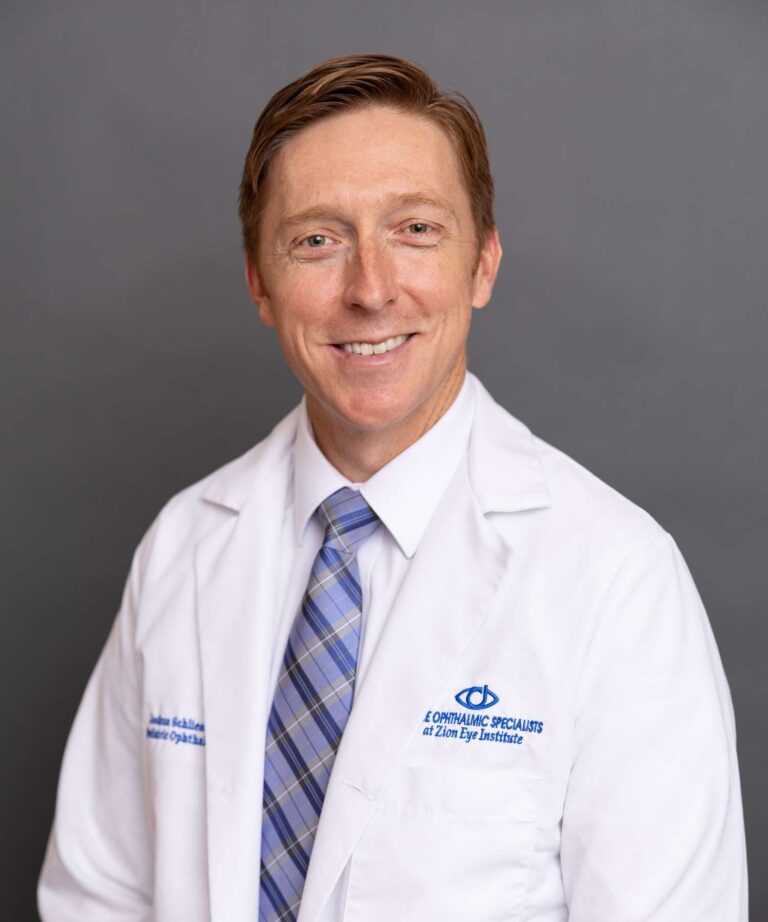
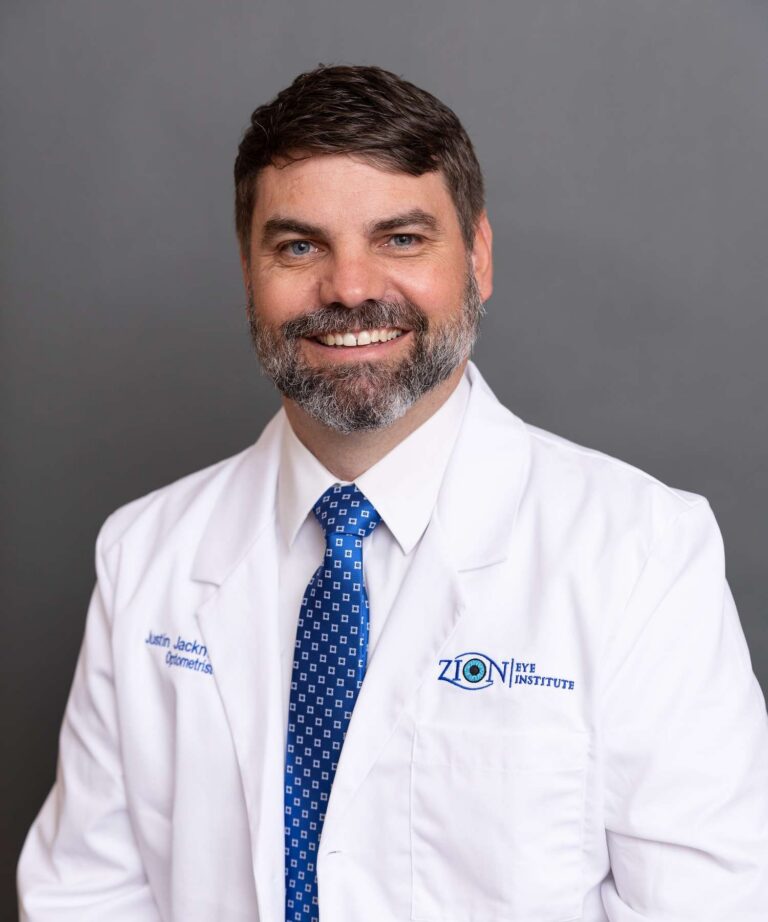
Meet Our Physicians
Fellowship-trained, and most have been treating Southern Utah patients for years, not months.
view all doctors



Ready When You Are
BOOK AN APPOINTMENT
Online scheduling takes less than two minutes, and consultations are open now at all four locations.
Find Us
Our Locations
Four convenient locations across Southern Utah and Nevada.
From Our Physicians
Eye Care Blog
Plain-language answers, written by the doctors who actually treat this stuff.