
Zion Eye Institute — General Eye Care
General Eye Care & Eye Exams in St. George, UT
Zion Eye Institute provides general eye care for patients in St. George, Cedar City, Santa Clara, Mesquite, and nearby communities, including routine eye exams, medical eye exams, and ongoing vision monitoring.
- Annual and medical eye exams for all ages
- Seamless transition to specialty ophthalmology when needed
- Comprehensive testing, including glaucoma screening
Know When
When Is It Time for an Eye Exam?
Regular exams catch problems before you notice them. If any of these sound familiar, it’s time to schedule one.
A general eye exam is recommended for anyone due for routine care, or if you notice any of the following.
The Procedure
What a Comprehensive Eye Exam Includes
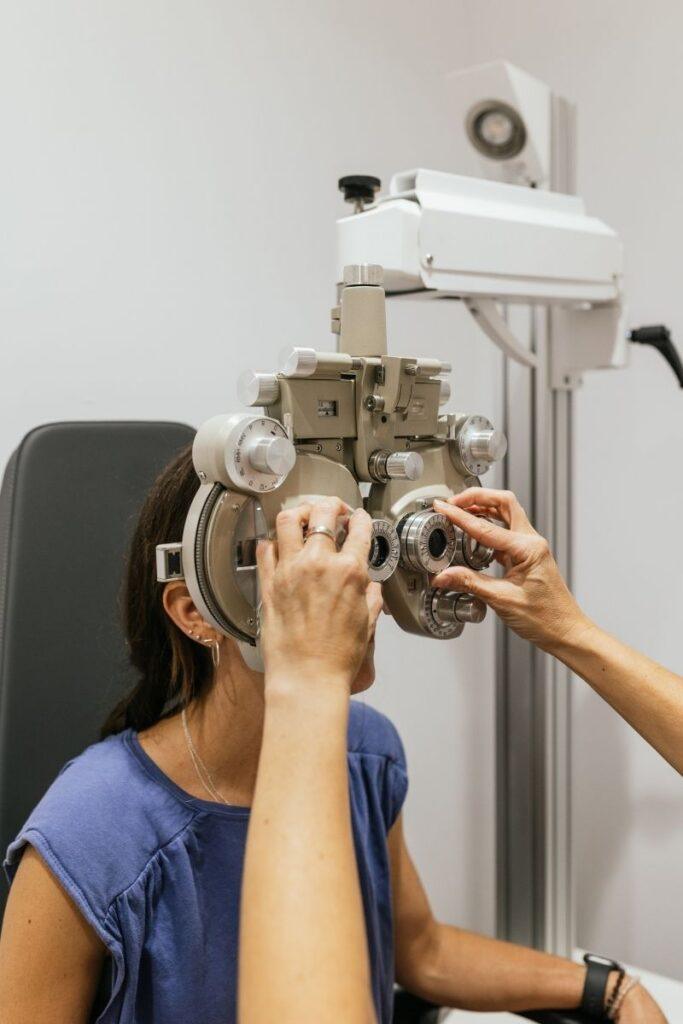
A comprehensive eye exam combines several tests to evaluate both your vision and your overall eye health. Eye muscle, visual acuity, and refraction testing show how well you see and what prescription you need, and visual field and color vision testing may also be included. A slit-lamp exam and retinal exam check the structures of the eye for early signs of disease, and glaucoma screening looks for a condition that often has no early symptoms. Together, these tests help your doctor catch problems before you’d notice them yourself.
Visual Acuity Test
Measures how clearly you see at various distances using a standard eye chart
Refraction
A phoropter determines the exact lens prescription your eyes need
Slit-Lamp and Retinal Exam
Allows your doctor to closely examine the front and back structures of the eye
Glaucoma Screening
Measures eye pressure and evaluates the optic nerve for early signs of damage
Patient Reviews
These two types of exams serve different purposes, though they share many of the same tests.
Routine Eye Exams vs. Medical Eye Exams
Understanding which exam you need
Routine Eye Exam
Focused on visual performance and prescription needs
- Includes visual acuity, refraction, and eye muscle testing
- Identifies common refractive errors like nearsightedness and astigmatism
- Recommended at least once a year for most patients
Medical Eye Exam
Centered on diagnosing and managing specific eye conditions or disease
- Includes additional testing for conditions like cataracts, glaucoma, or retinal disease
- Recommended if you have a diagnosed eye condition or risk factors
- May lead to referral for specialty ophthalmology care within the same practice
A general eye exam involves a series of tests to evaluate both your vision and overall eye health.
What to Expect During a Comprehensive Eye Exam
1
Vision and Muscle Testing
- Visual acuity and eye muscle tests evaluate your eye's ability to focus at various distances
- Your doctor walks you through what the findings mean and answers any questions you have
2
Refraction
- A phoropter is used to determine your exact eyeglass prescription
- Refraction also helps diagnose nearsightedness, farsightedness, and astigmatism
3
Eye Health Screening
- Slit-lamp exam, retinal exam, and glaucoma screening check for underlying eye disease
- Your doctor walks you through what the findings mean and answers any questions you have
4
Discussion & Next Steps
- Your doctor reviews the results and discusses any recommended treatment or referral
- You'll leave with clear instructions on what to expect next and how to prepare
What to Expect
Expected General Eye Care Outcomes & Recovery
Consistent eye exams allow your doctor to track your eye health over time and catch problems early.
What Patients Can Expect in the First 30 Days
- Certain conditions, like presbyopia, develop gradually with age
- Without regular exams, eye conditions can develop unnoticed
- Refractive errors like nearsightedness are not considered medical conditions
- A comprehensive exam can identify cataracts, glaucoma, and retinal conditions early
Informed Care
Safety & Risk Considerations
Safety Profile
- A comprehensive eye exam is a standard, non-invasive evaluation appropriate for patients of all ages
- Additional testing is added only when your doctor identifies a specific concern
Possible Side Effects
- Dilation drops used during a comprehensive exam cause temporary blurred vision and light sensitivity for a few hours
- Some patients experience mild eye irritation from the drops used during testing
How We Minimize Risk
Schedule Annual Exams
Routine, once-a-year exams are the best way to catch problems before they affect your vision
Mention Any Medical Conditions
Conditions like diabetes can affect eye health and may call for a medical eye exam instead
Keep Your Exam Schedule Consistent
Sticking to a yearly exam schedule makes it easier to catch changes early
Why Zion Eye Institute
Why Choose Zion Eye Institute
Comprehensive, expert eye care for patients across Southern Utah and the surrounding region
Fellowship-Trained Specialists
Our team includes Southern Utah's only fellowship-trained specialists in several subspecialties
Four Convenient Locations
Offices in St. George, Cedar City, Santa Clara and Mesquite
Advanced Technology
We invest in the latest diagnostic and surgical technology available in the region
Our Team
Meet Our Doctors
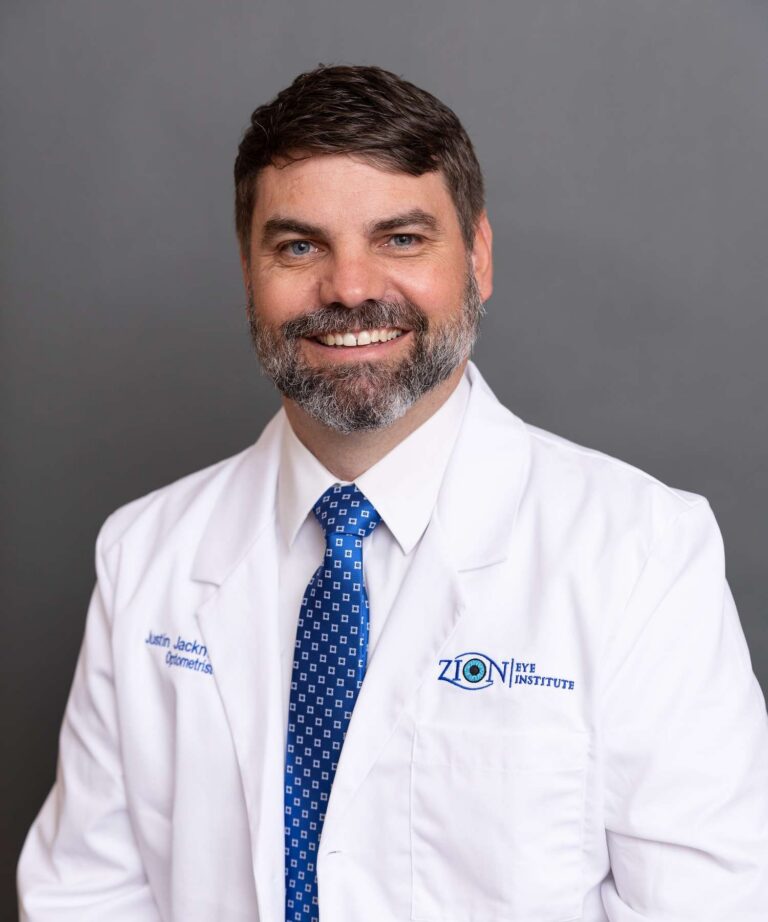
Our general eye care team provides routine and medical eye exams for patients of all ages, with a seamless path to specialty care when it's needed.

Find Us
General Eye Care Treatment in St. George, Santa Clara, Mesquite & Cedar City
Visit us at any of our four Southern Utah and Nevada offices.
Coverage & Financing
Cost & Insurance
We work with your insurance and offer financing to make general eye care accessible.
Insurance
Many of our services are covered by medical insurance.
- Bring your medical insurance card and photo ID to your visit
- Our staff can help verify your coverage before your appointment
- Vision correction procedures such as LASIK are generally not covered by insurance
Financing Options
We offer flexible payment options for procedures not commonly covered by insurance.
- CareCredit, North America's leading patient payment program, lets you begin treatment now and pay over time with low monthly payments
- We can tailor a personalized payment schedule to help make your procedure affordable
- Pay your bill online through our secure ModMed patient portal
Flexible financing available. We work with CareCredit to offer low- and no-interest payment plans for care not covered by insurance. Ask about your options at your consultation.
locationsCommon Questions
Frequently Asked Questions
How often should I get an eye exam?
Regular eye exams are your best defense against vision loss from disease, aging, and refractive errors. The best way to ensure you don’t lose your vision is to have an eye exam at least once a year.
What's the difference between a routine and a medical eye exam?
A routine eye exam primarily focuses on visual performance and prescription needs, while a medical eye exam is centered on diagnosing and managing specific eye conditions or diseases, such as cataracts, glaucoma, or retinal disorders.
What happens if my eye exam finds a problem?
A comprehensive eye exam can detect early signs of eye disease that require specialized medical care. If your provider identifies cataracts, glaucoma, retinal conditions, or other concerns, our coordinated team makes the transition from routine eye care to specialty ophthalmology simple, all within the same practice.
What should I bring to my appointment?
Please bring a photo ID and your medical insurance card. If you wear contact lenses, bring your glasses as well.
Do you offer financing?
Yes. We offer the CareCredit card for procedures not commonly covered by insurance, such as LASIK and premium lens implants, along with personalized payment schedules.
Ready When You Are
Schedule Your Free Consultation
Consultations are available at all four locations; online scheduling takes less than two minutes.
Request Appointment