
Zion Eye Institute — Cataract Surgery
Cataract Surgery in St. George, UT
Restore clear vision with custom and laser-assisted cataract surgery and premium lens implants from Southern Utah's most experienced team.
- Custom and laser-assisted cataract surgery
- Premium multifocal and Toric lens options
- Southern Utah's highest-volume cataract team
Is this right for you?
Am I A Candidate for Cataract Surgery?
Most people develop cataracts with age. If any of the following sound familiar, it may be time for an evaluation.
If cataracts are making it harder to read, drive, recognize faces, or perform daily activities, it may be time to schedule a cataract evaluation.
The Procedure
How Cataract Surgery Works
Cataract surgery addresses the underlying cause of cataract-related vision loss directly: the eye’s natural lens, which has become cloudy over time, most often due to age-related protein changes within the lens tissue. During the procedure, your surgeon creates a tiny incision at the edge of the cornea, then uses a process called phacoemulsification, ultrasonic energy that gently breaks the clouded lens into small fragments so they can be removed through that same small opening.
Once the natural lens has been fully removed, a folded artificial intraocular lens is inserted through the same incision and unfolds into place, permanently replacing the cataract. The type of lens you choose during your consultation, whether a standard monofocal lens or a premium multifocal or Toric option, determines how much you may still rely on glasses afterward. Because the incision is so small, it typically seals on its own without stitches, which is part of why cataract surgery has become the most commonly performed and safest surgery in the United States today.
Lens Removal
The cloudy natural lens is broken up and removed from the eye
Implant Placement
A clear artificial lens is placed in the same position as the natural lens
Laser-Assisted Option
Laser-assisted cataract surgery can be used for certain steps of the procedure
YAG Capsulotomy (If Needed Later)
A laser creates a small opening in a hazy lens membrane to restore clear vision
Patient Reviews
Cataract surgery replaces the cloudy natural lens with an artificial one, and several lens options are available.
Standard vs. Premium Lens Implants
Choosing the right implant for your vision goals
Standard Monofocal Lens
Corrects vision at a single distance, typically far
- Provides clear distance vision
- Most patients will still need reading glasses
- Standard lens option covered by medical insurance
Covered by Insurance
Premium Lens Options
Restor and Tecnis multifocal lenses, plus Toric lenses for astigmatism
- Multifocal lenses correct vision at multiple distances
- Toric lenses correct astigmatism at the same time as cataract removal
- Premium lenses typically involve an out-of-pocket upgrade cost
- Some patients notice glare or halos around lights at night with multifocal lenses.
Reduces Glasses Dependence
Not sure which lens is right for you? We'll walk through your options at your consultation, so you can make the decision that fits your eyes and your budget.
Cataract surgery follows a well-established path from evaluation through recovery.
Your Cataract Surgery Journey
From your first appointment to clear vision, here's what to expect at every stage.
1
Cataract Evaluation
- A comprehensive exam confirms cataracts are affecting your vision
- Your doctor discusses standard and premium lens implant options with you
2
Surgery
- The cloudy natural lens is removed and replaced with your chosen implant lens
- Cataract surgery is the most common and safest surgery performed in the United States
3
Early Recovery
- Most patients notice improved vision within a day or two
- Prescribed eye drops help prevent infection and reduce inflammation
- Report any sudden vision changes right away
4
Long-Term Follow-Up
- Follow-up exams confirm your eye is healing properly
- A YAG laser capsulotomy may be needed later if the lens membrane becomes hazy
What to Expect
Expected Cataract Surgery Outcomes & Recovery
Most patients experience significantly clearer vision after cataract surgery.
What Patients Can Expect in the First 30 Days
- Once removed, a cataract can never come back
- Most patients return to normal activities within a few days
- Follow your doctor's prescribed eye drop schedule during recovery
- Report any sudden vision changes to your doctor right away
Informed Care
Safety & Risk Considerations
Cataract surgery is one of the safest and most successful procedures in medicine, but like any surgery, it carries some risk. Swelling and mild inflammation are the most common, and these typically clear up within the first few days with the help of prescription eye drops.
Safety Profile
- Cataract surgery is the most common and safest surgery performed in the United States
- Our surgeons perform more cataract procedures than any other office in Southern Utah
Possible Side Effects
- Temporary blurred vision or glare is common in the days after surgery
- Mild eye irritation or a gritty sensation can occur during healing
- The lens membrane can become hazy over time, sometimes requiring a YAG laser capsulotomy
How We Minimize Risk
Complete a Thorough Evaluation
Discussing your lens options and health history helps guide a safe surgical plan
Follow Post-Operative Drop Schedule
Prescribed eye drops help prevent infection and reduce inflammation
Attend Your Post-Op Follow-Up Visits
Follow-up exams confirm your eye is healing properly and catch any concerns early
Why Zion Eye Institute
Why Choose Zion Eye Institute
Comprehensive, expert eye care for patients across Southern Utah and the surrounding region
Fellowship-Trained Specialists
Our team includes Southern Utah's only fellowship-trained specialists in several subspecialties
Four Convenient Locations
Offices in St. George, Cedar City, Santa Clara and Mesquite
Advanced Technology
We invest in the latest diagnostic and surgical technology available in the region
Our Team
Meet Our Doctors
Our cataract surgeons are among the most experienced in Southern Utah, offering the full range of standard and premium lens implant options.
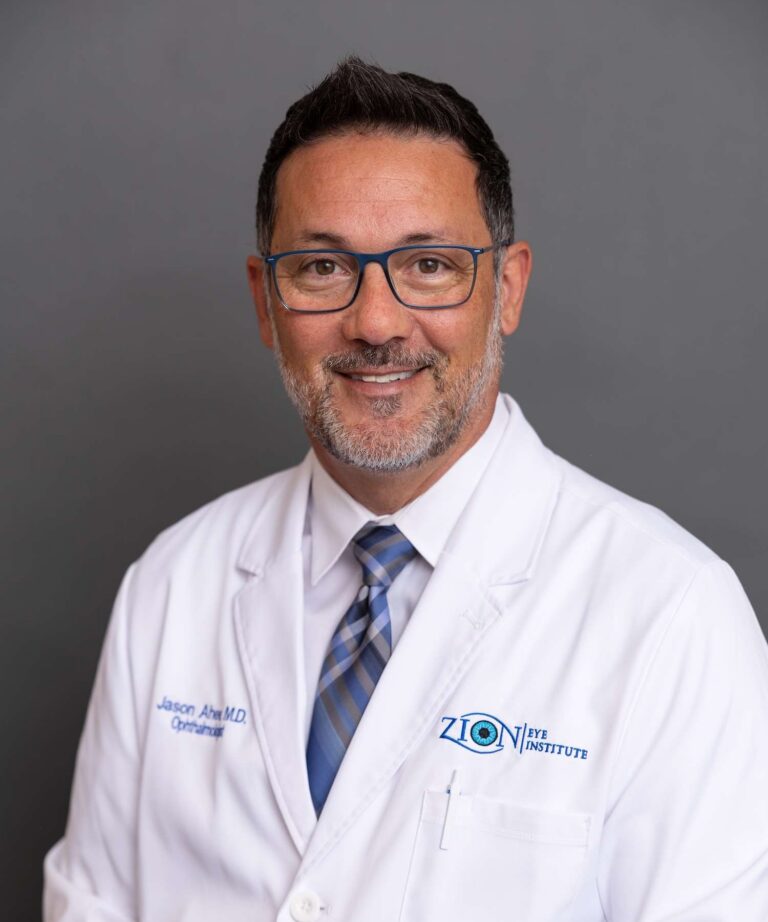
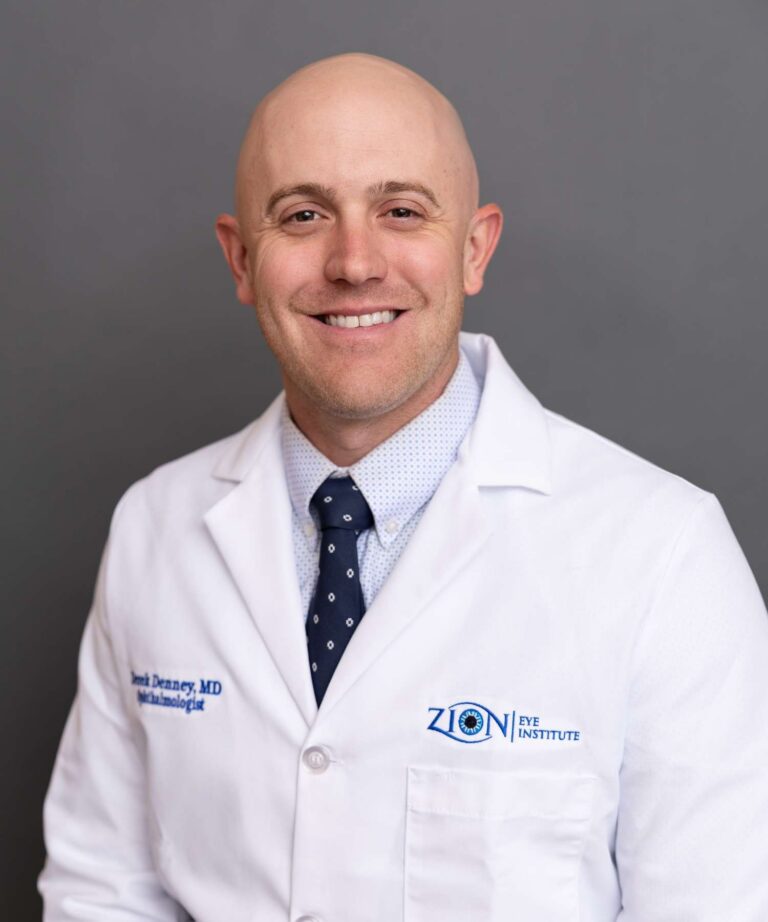
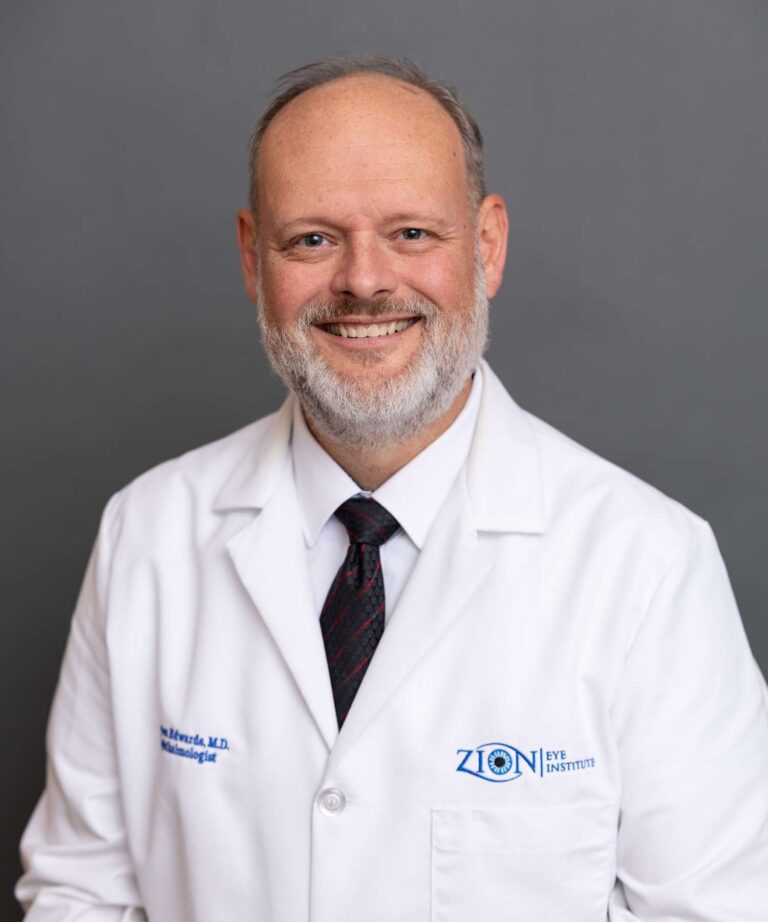
Find Us
Cataract Surgery Treatment in St. George, Santa Clara, Mesquite & Cedar City
Visit us at any of our four Southern Utah and Nevada offices.
Coverage & Financing
Cost & Insurance
We work with your insurance and offer financing to make cataract care accessible.
Insurance
Many of our services are covered by medical insurance.
- Bring your medical insurance card and photo ID to your visit
- Our staff can help verify your coverage before your appointment
- Vision correction procedures such as LASIK are generally not covered by insurance
Most patients with Medicare or supplemental insurance pay little to nothing out of pocket for a standard procedure.
Financing Options
We offer flexible payment options for procedures not commonly covered by insurance.
- CareCredit, North America's leading patient payment program, lets you begin treatment now and pay over time with low monthly payments
- We can tailor a personalized payment schedule to help make your procedure affordable
- Pay your bill online through our secure ModMed patient portal
Flexible financing available. We work with CareCredit to offer low- and no-interest payment plans for care not covered by insurance. Ask about your options at your consultation.
locationsCommon Questions
Frequently Asked Questions
Questions we get asked at almost every consultation, answered honestly.
When should I see an ophthalmologist for cataract surgery?
If cataracts are making it harder to read, drive, recognize faces, or perform daily activities, it may be time to schedule a cataract evaluation. An ophthalmologist can determine whether cataract surgery is the best option for improving your vision and quality of life.
How do I know if I need a cataract evaluation?
Common signs of cataracts include blurry vision, increased glare, difficulty seeing at night, faded colors, and frequent changes in your eyeglass prescription. A comprehensive eye exam can help determine whether cataracts are affecting your vision and whether treatment is recommended.
What is a YAG laser capsulotomy?
After cataract surgery, the thin membrane holding the implant lens in place can become hazy over time. A YAG laser capsulotomy is a quick, painless in-office procedure that uses a laser to create a small opening in that membrane, restoring clear vision without touching the implant lens itself.
What should I bring to my appointment?
Please bring a photo ID and your medical insurance card. If you wear contact lenses, bring your glasses as well.
Do you offer financing?
Yes. We offer the CareCredit card for procedures not commonly covered by insurance, such as LASIK and premium lens implants, along with personalized payment schedules.
Where We Provide Cataract Evaluations and Surgery
The practice provides cataract evaluations, surgical consultations, and ongoing eye care for patients throughout Southern Utah and the surrounding region. Patients from St. George, Cedar City, Santa Clara, Washington, Hurricane, Ivins, Mesquite, and nearby communities regularly visit for cataract care.
Where can I schedule a cataract consultation near St. George?
You can schedule a cataract consultation to discuss symptoms, treatment options, and candidacy for surgery. We provide cataract evaluations for patients throughout the St. George area and surrounding communities.
Ready When You Are
Schedule Your Free Consultation
Consultations are available at all four locations; online scheduling takes less than two minutes.
Request Appointment